Column · @andersonmxia812
Empathy in Practice: Small Assisted Living Homes and Hands-On Care
Business Name: BeeHive Homes of White Rock
Address: 110 Longview Dr, Los Alamos, NM 87544
Phone: (505) 591-7021
BeeHive Homes of White Rock
Beehive Homes of White Rock assisted living care is ideal for those who value their independence but require help with some of the activities of daily living. Residents enjoy 24-hour support, private bedrooms with baths, medication monitoring, home-cooked meals, housekeeping and laundry services, social activities and outings, and daily physical and mental exercise opportunities. Beehive Homes memory care services accommodates the growing number of seniors affected by memory loss and dementia. Beehive Homes offers respite (short-term) care for your loved one should the need arise. Whether help is needed after a surgery or illness, for vacation coverage, or just a break from the routine, respite care provides you peace of mind for any length of stay.
110 Longview Dr, Los Alamos, NM 87544
Business Hours
Walk into a good small assisted living home on a normal weekday and you will typically see 3 things before anybody says a word. The noise level is low however not quiet. Somebody is cooking or reheating something that smells like real food, not a tray line. And senior care a minimum of one employee is not behind a desk, however at a shoulder, an elbow, or a kitchen area table, talking with an older adult as if they have known each other for years.
That texture of daily life is what households imply when they state they desire "hands-on" senior care. They are not requesting luxury. They are requesting attention, continuity, and enough human existence to trust that a parent will not be left alone when it matters.
Small assisted living homes, frequently known as residential care homes, board-and-care homes, or group homes, can be a strong response to that request when they are succeeded. They are not the best suitable for everyone, and they are not immediately more compassionate than larger buildings, however their scale gives them tools that big residential or commercial properties struggle to use.
This short article looks inside those smaller environments and examines how empathy really appears in daily elderly care, how respite care suits, and what trade-offs families must comprehend before selecting a home.
What "small" assisted living truly means
The term "small assisted living" covers several designs. In practice, it generally means homes with 4 to 16 residents living in what looks more like a house than a hotel.
Regulations differ by state or province. Some jurisdictions certify these homes individually from big assisted living communities, with different staffing guidelines or service limits. Others treat them under the same umbrella, even though the lived experience is different.
The physical environment tends to share particular qualities:
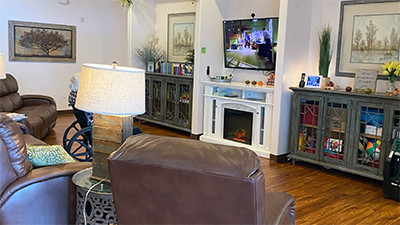
Residents typically have private or semi-private bedrooms instead of apartment-style suites. Commons locations look like a living room and family-style dining space. The kitchen is more main, and meals are prepared closer to serving time, sometimes by the same personnel who help with bathing and medication.
The small scale is not automatically an advantage. A confined, poorly lit home is still a cramped, inadequately lit home. The benefit comes when the modest size supports closer relationships, shorter reaction times, and a more versatile rhythm of care.
In my experience, the greatest small homes are extremely clear about what they can and can refrain from doing. A six-bed home with two personnel on days and one awake overnight can deal with numerous assisted living needs: help with dressing, showers, incontinence care, medication management, cueing for amnesia, and light movement assistance. That very same home may not be safe for an individual who has duplicated aggressive outbursts or who needs two people and a mechanical lift for every single transfer.
The most thoughtful operators say no when they can not satisfy a requirement, even if that indicates losing a full room.
Why size changes the feel of care
Compassion in elderly care is not a motto. It is a set of habits that can be noticed, timed, and even quantified.
One method to understand the distinction between small assisted living homes and larger buildings is to think about how many people a staff member need to remember at once. In a 60-resident community, an aide on an early morning shift might have 10 to 14 individuals on their task. In a small home with 8 citizens and 2 assistants, that caseload drops to 4.
On paper, that appears like time. In real life, it appears like:
A staff member observing that Mrs. S is slower to stand today and calling the nurse to look for a urinary system infection. Someone keeping in mind that Mr. K's daughter stated he had a fall in your home last year, and enjoying more closely on the stairs. A caregiver who knows that if they provide Ms. R a few additional minutes after waking, she will be far less upset during her shower.
Those are examples of "relational understanding," the small individual details that build up when the very same people look after one another day after day. The smaller the home, the less often projects modification and the much easier it is for staff to hold that understanding in their heads, not simply in a chart.
Families feel this when they call. In lots of small homes, the individual who answers the phone has seen their parent within the last thirty minutes. They can state, "He ate more breakfast than usual today" or "She went outside with us this afternoon." That immediacy offers families a sense of mental security, particularly when they can not visit as often as they would like.
Of course, small size does not fix understaffing, burnout, or poor training. A six-bed home with one sidetracked caretaker who invests the night in the back workplace can feel more neglectful than a hectic 80-unit building with visible activity and oversight. Scale develops possibilities, not guarantees.
A day in a high-touch small home
The clearest method to comprehend hands-on care is to stroll through a typical day.
Morning typically begins earlier than households expect. Lots of older adults wake between 5 and 7 a.m., especially those with discomfort, dementia, or enduring routines from working life. In a strong small assisted living home, staff stagger wake-ups based upon private preference. Somebody who always liked to oversleep may be the last to rise and eat breakfast at 10. Someone else, a previous farmer, may be in a chair with coffee by 6:30.
Hands-on care shows in pacing. Rather of rushing eight people through showers before a set breakfast window, staff might spread bathing over the early morning and early afternoon, combining everyone's energy level with a calmer time on the schedule. A helper might sit on the bed, talk through the day, offer extra time for stiff joints, and adjust clothing options to weather and mood.
Meals are typically where small homes shine. Because there are fewer individuals, the kitchen can adapt rapidly. If a resident shows less hunger at breakfast, staff might provide a late-morning snack, include a preferred yogurt, or warm up remaining pancakes when the mood strikes. That versatility can make a real distinction in keeping weight and avoiding dehydration, particularly for people with amnesia who require regular prompts.
Medication rounds feel various in a small home as well. The team member passing medications normally knows who requires their tablets tucked in applesauce, who prefers to see each tablet plainly, and who is most likely to hide a tablet under their tongue. That understanding minimizes rejections and errors.
Afternoons tend to be quieter. Some locals nap. Others watch television, check out, or sit outdoors. This is where a small environment either reveals its strength or its weakness. With so couple of people, monotony can sneak in if staff rely just on group activities. Homes that do this well construct tiny minutes of engagement: folding laundry together, chopping vegetables for supper, taking a look at old picture albums one-on-one, or watering plants.
Evenings are typically the hardest part of the day in dementia care. Confusion and agitation can increase, a pattern referred to as "sundowning." In a small home with a predictable, calm routine, personnel can dim the lights, placed on familiar music, and move locals into cozier spaces instead of large, echoing spaces. That environment is not a cure, but it often decreases the volume of distress.
Throughout all of this, hands-on care suggests touching with intent, not simply effectiveness. A caregiver might hold a hand during a high blood pressure check, tell somebody quickly what they are doing at each step of incontinence care, or sit for an additional minute after assisting somebody onto the toilet so the person does not feel rushed. Those small stops briefly interact self-respect more than any framed mission statement.
Where respite care suits small homes
Respite care, short-term stays that give family caregivers a break, can be particularly effective in small assisted living settings. When used attentively, respite introduces an older grownup and their household to a home before an irreversible move is needed.
Families often get to respite tired. A child might have been offering round-the-clock senior care for a parent with advancing dementia. A spouse may require surgery and can not securely raise or monitor their partner during their own healing. In these situations, a small home can use something more personal than a guest space in a large community.
The benefits are useful. Short stays of one to four weeks in a home with six or 8 citizens allow staff to learn an individual's practices rapidly. If the person later returns for long-term elderly care, those notes about preferred foods, sleep patterns, or sets off for agitation are already in location. The older grownup, in turn, is not strolling into a completely unknown environment.
However, not every small home deals respite. With so few rooms, keeping a bed open for brief stays can be economically dangerous. Some homes keep a "swing space" that alternates in between respite and hospice use, while others accept respite only when they have a natural vacancy. Households trying to find this choice should begin early and anticipate that specific dates might be less flexible than in large buildings with numerous empty units.
From an empathy standpoint, the essential question is whether respite homeowners are dealt with as complete members of the home, or as temporary visitors. In my view, the strongest homes present respite visitors to everybody, include them at meals and activities, and invest the very same energy in their grooming, regimens, and choices as they provide for long-term homeowners. Anything less feels transactional.
Staffing: the genuine engine of hands-on care
Every sales brochure for senior care will discuss empathy. The reality shows up on the staffing schedule.
In a strong small assisted living home, daytime staffing often looks like one caretaker for every single 3 to 5 locals, often supplemented by a nurse visit or an on-call nurse through a firm. Over night staffing may drop to one awake person for the entire house, periodically supported by a live-in employee sleeping nearby.
Those ratios, when filled by trained, steady staff, make true hands-on care practical. A caregiver can take 20 minutes for a shower rather of 8. They can spend time attempting various techniques when somebody refuses care, rather than merely recording "resident decreased."
Training is where small homes in some cases battle. Large neighborhoods normally have corporate education departments, standardized modules, and clear profession paths. A stand-alone care home may depend upon the owner's knowledge and whatever external classes they can pay for. The best owners compensate by investing heavily in on-the-job mentoring. They work shoulder to carry with new staff for weeks, designing how to talk with locals, manage dementia habits, and notice subtle health changes.
Burnout is the peaceful opponent of hands-on care. In a small home, if one key caregiver stops or ends up being ill, the emotional and useful effect is enormous. Homeowners feel the lack right away. Staying staff must soak up extra work. To handle this, accountable operators restrict mandatory overtime, work with relief staff even when margins are thin, and build relationships with hospice and home health firms so some tasks can be shared.
Families in some cases assume that a small home will feel like an extension of their own household. That can be true, but it is unfair to anticipate staff to replace all the love, persistence, and memory that relatives bring. Healthy plans acknowledge that staff are experts. Compassion is part of their work, and they should have pay, time off, and regard that shows the emotional load of that work.
Trade-offs: what small homes can not easily provide
It is appealing to paint small assisted living homes as the ideal response to every challenge in elderly care. Truth is more nuanced.
First, medical intricacy matters. A frail older adult with controlled persistent diseases can do effectively in a small setting. Someone who requires frequent IV treatments, daily respiratory treatment, or rapid-response medical interventions might be much safer in a neighborhood with on-site nursing 24 hours a day or in a nursing facility.
Second, specialized dementia assistance differs. Some small homes stand out at dementia care, using calm routines, personalized communication, and safe lawns or patios. Others have neither the staff numbers nor the training to manage extreme wandering, sexually disinhibited habits, or repeated physical aggressiveness. Families should ask directly how the home manages these situations and how often they have actually needed to release somebody for behavior.
Third, social range is limited. Some older adults thrive in a small, stable group and discover large activities frustrating. Others take pleasure in more stimulation, clubs, outings, and the chance to satisfy new people frequently. A home with six residents can not offer the exact same calendar as a 100-unit neighborhood with a full-time activities director. The key is match. An introverted former instructor who enjoys quiet individually discussions might grow where a more extroverted individual feels cooped up.
Finally, small homes are susceptible to ownership quality. Without any corporate parent to enforce requirements, the owner's ethics, financial discipline, and personal strength are front and center. I have actually seen impressive owner-operators who address the phone at midnight, come in on vacations, and know each resident's grandchild by name. I have actually also seen poorly run homes where costs go unpaid, staff turnover is consistent, and citizens experience avoidable neglect. Visiting personally and trusting what you observe stays essential.
Small vs big: the useful differences households notice
For families comparing small assisted living homes with bigger facilities, it assists to look beyond marketing language and focus on real daily experiences.
Here are some distinctions that often emerge:
-
Response time to needs
In a small home, the range in between a bedroom and the nearest caregiver is typically short, and staff can hear someone calling out from numerous parts of your house. In a large building, action depends greatly on call systems, assignment size, and staffing on that specific shift.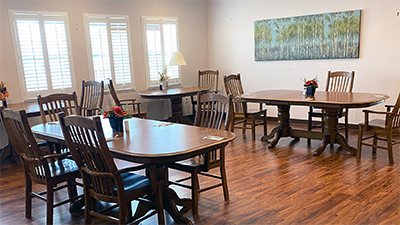
-
Consistency of relationships
Citizens in small homes tend to see the very same 2 to five caregivers most days. That stability can be relaxing, particularly for individuals with dementia who depend on familiar faces. Larger buildings in some cases rotate staff more regularly among floorings or wings. -
Flexibility of routines
It is simpler for a small home to change shower days, meal times, or bedtime to individual choices, because there are less people to collaborate. Big neighborhoods, by requirement, rely more on repaired schedules to keep operations manageable. -
Visibility of leadership
In lots of small homes, the owner or administrator is on-site frequently, not simply during business hours. Households can typically talk with a decision-maker directly. In big residential or commercial properties, management might manage lots of departments and be less available day-to-day. -
Access to amenities
Big communities typically have more formal facilities: health clubs, theaters, beauty parlor, chapels. Small homes trade that scale for a more intimate setting. Some households value the amenities highly; others care more about the texture of daily interactions.
No single design wins on every point. The right option depends upon the older grownup's character, health status, finances, and the household's expectations.
How to examine hands-on care when you visit
Touring a small assisted living home is less about the paint color and more about the energy in between people. A home can be modest and still use outstanding care; it can also be magnificently provided and emotionally cold.
During a visit, watch how staff and locals communicate when they are not "on show." Listen for how names are utilized. Do personnel introduce homeowners to you, or talk over them? Does anybody laugh together, or does the atmosphere feel tense?
It can assist to bring a list of concentrated concerns so you do not forget crucial topics in the moment.
Here are practical concerns families often find helpful:
- "Who will really be taking care of my parent daily, and what training do they have?"
- "The number of citizens are here, and how many staff are on responsibility during days, evenings, and nights?"
- "Tell me about a recent circumstance where a resident's condition changed quickly. What occurred and how did you handle it?"
- "What types of habits or care requirements would make you say this home is no longer a safe fit?"
- "Do you provide respite care, and have any short-stay guests later on relocated permanently?"
The specifics of their answers matter less than whether the actions are clear, candid, and constant with what you see around you. Vague promises without examples ought to be a caution sign.
If possible, visit at various times of day. Late afternoon and early night are especially informing, because staffing dips and tiredness increase. That is when rushed or thin care shows itself.
Working with the home as a true partner
Even the most attentive small home can not change the unique role of family. The very best outcomes occur when relatives, residents, and personnel see themselves as a care team instead of as separate sides of a contract.
From the household side, this means sharing comprehensive history. What relaxes your mother when she is scared? Which music did your father love? How did your auntie take her coffee for the last 40 years? These may sound like small details, however in a small home, they are precisely the tools personnel use to convenience, redirect, and connect.
It likewise means setting reasonable expectations. Staff can not call each kid every day, however they can send out a quick text once or twice a week, or update a shared note pad in the resident's room. Households who visit and engage respectfully with personnel, ask how shifts are going, and state thank you for particular acts of kindness tend to develop stronger partnerships.
From the home's side, compassion in practice indicates transparent communication, especially when things fail. Falls will still occur. A precious caretaker may stop or move away. Health problem can sweep through even the cleanest home. What distinguishes a trustworthy operator is how quickly they inform households, how they describe choices, and how they invite households into care-plan changes.
When small is the best sort of big
Assisted living, in any kind, is about assisting older grownups maintain as much autonomy and convenience as possible while staying safe. Small homes approach that goal through intimacy rather than scale.
For some people, that intimacy seems like a town. A retired mechanic who never ever liked crowds might find it much easier to browse a single-story house than a multi-wing school. A person with advanced dementia may feel less overwhelmed by a handful of faces and a brief hallway. A partner providing everyday care at home may finally sleep through the night during a respite stay, understanding their partner is just a couple of actions far from a caregiver.
For others, the same intimacy can feel restricting. A previous executive used to a wide social circle might choose the bustle of a larger community, even if that indicates a more structured routine. Someone who enjoys arranged outings, classes, and events might find a small home too quiet.
The main concern is not "Which type is better?" however "Which setting gives this particular person the very best possibility at a dignified, appealing, and safe life today?"
Compassion in practice is not a soft concept. It is the hand at an elbow on a slippery restroom flooring, the client repetition of a response to the same question 10 times in an hour, the willingness to learn that Mr. L eats better if his peas do not touch his potatoes. Small assisted living homes, at their finest, are built to make that level of attention feel ordinary.
For families navigating senior care choices, it is worth stepping past the glossy pictures and asking to see what occurs in the in-between moments. That is where you will find the sort of hands-on care that lets both citizens and relatives breathe a little easier.
BeeHive Homes of White Rock provides assisted living care
BeeHive Homes of White Rock provides memory care services
BeeHive Homes of White Rock provides respite care services
BeeHive Homes of White Rock supports assistance with bathing and grooming
BeeHive Homes of White Rock offers private bedrooms with private bathrooms
BeeHive Homes of White Rock provides medication monitoring and documentation
BeeHive Homes of White Rock serves dietitian-approved meals
BeeHive Homes of White Rock provides housekeeping services
BeeHive Homes of White Rock provides laundry services
BeeHive Homes of White Rock offers community dining and social engagement activities
BeeHive Homes of White Rock features life enrichment activities
BeeHive Homes of White Rock supports personal care assistance during meals and daily routines
BeeHive Homes of White Rock promotes frequent physical and mental exercise opportunities
BeeHive Homes of White Rock provides a home-like residential environment
BeeHive Homes of White Rock creates customized care plans as residents’ needs change
BeeHive Homes of White Rock assesses individual resident care needs
BeeHive Homes of White Rock accepts private pay and long-term care insurance
BeeHive Homes of White Rock assists qualified veterans with Aid and Attendance benefits
BeeHive Homes of White Rock encourages meaningful resident-to-staff relationships
BeeHive Homes of White Rock delivers compassionate, attentive senior care focused on dignity and comfort
BeeHive Homes of White Rock has a phone number of (505) 591-7021
BeeHive Homes of White Rock has an address of 110 Longview Dr, Los Alamos, NM 87544
BeeHive Homes of White Rock has a website https://beehivehomes.com/locations/white-rock-2/
BeeHive Homes of White Rock has Google Maps listing https://maps.app.goo.gl/SrmLKizSj7FvYExHA
BeeHive Homes of White Rock has Facebook page https://www.facebook.com/BeeHiveWhiteRock
BeeHive Homes of White Rock has an YouTube page https://www.youtube.com/@WelcomeHomeBeeHiveHomes
BeeHive Homes of White Rock won Top Assisted Living Homes 2025
BeeHive Homes of White Rock earned Best Customer Service Award 2024
BeeHive Homes of White Rock placed 1st for Senior Living Communities 2025
People Also Ask about BeeHive Homes of White Rock
What is BeeHive Homes of White Rock Living monthly room rate?
The rate depends on the level of care that is needed (see Pricing Guide above). We do a pre-admission evaluation for each resident to determine the level of care needed. The monthly rate is based on this evaluation. There are no hidden costs or fees
Can residents stay in BeeHive Homes until the end of their life?
Usually yes. There are exceptions, such as when there are safety issues with the resident, or they need 24 hour skilled nursing services
Do we have a nurse on staff?
No, but each BeeHive Home has a consulting Nurse available 24 – 7. if nursing services are needed, a doctor can order home health to come into the home
What are BeeHive Homes’ visiting hours?
Visiting hours are adjusted to accommodate the families and the resident’s needs… just not too early or too late
Do we have couple’s rooms available?
Yes, each home has rooms designed to accommodate couples. Please ask about the availability of these rooms
Where is BeeHive Homes of White Rock located?
BeeHive Homes of White Rock is conveniently located at 110 Longview Dr, Los Alamos, NM 87544. You can easily find directions on Google Maps or call at (505) 591-7021 Monday through Sunday 9:00am to 5:00pm
How can I contact BeeHive Homes of White Rock?
You can contact BeeHive Homes of White Rock by phone at: (505) 591-7021, visit their website at https://beehivehomes.com/locations/white-rock-2/, or connect on social media via Facebook or YouTube
You might take a short drive to the Bradbury Science Museum. The Bradbury Science Museum offers engaging yet easy-to-follow exhibits that make an enriching outing for assisted living, memory care, senior care, elderly care, and respite care residents.